

Andamine Crusher
Becerro
- Desde
- 13 Nov 2025
- Mensajes
- 21
- Tema Autor
- #1
As quarries in Saudi Arabia expand, the distance between the active mining face and the crushing area can increase, raising haulage costs and complicating material handling. Planning equipment mobility early helps quarry operators maintain production as excavation progresses. The right strategy depends on the rate of quarry development, rock characteristics, transport routes, and the expected operating life of each extraction area. By coordinating crusher relocation with the mining schedule, operators can reduce unnecessary downtime while maintaining a stable supply of construction aggregates.
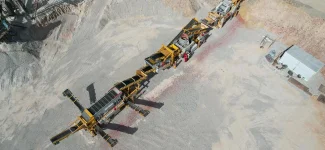
Before expanding an extraction area, quarry managers should review the planned direction of excavation, the expected movement of working benches, and the locations of future loading zones. These factors help determine whether the existing crushing position can remain productive or whether relocation should be included in the development plan.
The decision should not be based solely on the shortest distance to the mining face. A crusher positioned centrally between several active extraction areas may serve the quarry more efficiently than one placed beside a single loading point. The objective is to minimize total material-handling costs without creating additional bottlenecks in feeding, crushing, or finished-product transportation.
Mobile equipment provides greater flexibility when the mining face advances frequently or when a quarry operates across multiple extraction zones. A crawler-mounted crusher can move within the working area, allowing operators to reposition primary crushing closer to suitable material sources. This can reduce internal haulage distances, although the benefits depend on relocation time, ground conditions, and the availability of safe access routes.
Some expanding quarries may benefit from a combined arrangement. A mobile primary crusher can process raw rock near the excavation area, while stationary screening or secondary crushing equipment handles further processing at a central location. This configuration can balance mobility with stable downstream production, provided that conveying, stockpiling, and transfer capacity are properly coordinated.
Quarry planners should establish relocation triggers based on measurable operating conditions. These may include rising truck-cycle times, increasing fuel consumption per ton, declining truck utilization, or an upcoming change in the excavation sequence. Reviewing these indicators regularly helps operators identify when the cost of remaining in the current position may exceed the cost of moving.
Relocation planning must also include ground preparation, access routes, equipment inspection, and coordination with excavators and haul trucks. In Saudi Arabia's arid operating environments, dust, high temperatures, and changing surface conditions may affect equipment movement and maintenance requirements. The destination should provide a stable working platform, adequate feeding space, safe vehicle access, and sufficient room for discharge and servicing.
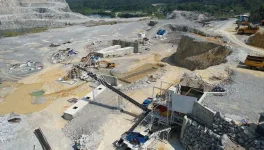
Rated capacity alone is not a reliable basis for planning. Actual output depends on rock hardness, feed size, moisture, crusher settings, equipment availability, and the performance of downstream screening. If the primary crusher produces material faster than the secondary crusher or screens can process it, additional primary capacity may simply create larger stockpiles rather than increase salable output.
The expansion plan should therefore evaluate the complete production chain. Feeding equipment, haul trucks, crushers, screens, conveyors, and stockpiles must operate at compatible rates. This approach helps quarry managers expand production without investing unnecessarily in oversized equipment or creating new process bottlenecks.
Investment calculations should include more than the initial crusher purchase price. Fuel, wear parts, maintenance, operator costs, equipment transportation, installation, and potential relocation all affect the long-term cost per ton. A mobile crusher may require a higher initial investment than some alternatives, but it can offer economic advantages when reduced haulage and flexible deployment outweigh the additional equipment and operating costs.
Operators should also evaluate site access, electrical or fuel supply, water availability for dust suppression, maintenance arrangements, and applicable permits before committing to a plant configuration. In Saudi Arabia, project requirements and environmental obligations should be confirmed with the relevant authorities and considered during site design. A realistic financial model should account for production ramp-up, seasonal demand changes, and periods when the quarry cannot operate at its planned capacity.

Quarry managers should review these indicators alongside updated mine plans. If haulage costs rise while the mining face advances, moving the crusher may be justified. If downtime or screening capacity is the main constraint, improving maintenance or upgrading downstream equipment may provide greater benefits than relocating the entire system.
Successful quarry expansion depends on coordinating equipment mobility with the long-term extraction plan. By anticipating changes in haulage distance, matching crushing capacity with current demand, and scheduling relocation based on operating data, stone crusher plants in Saudi Arabia can maintain more consistent production while controlling costs as the mining face advances.
Assess How Quarry Expansion Changes Material Flow
Quarry expansion changes the distance that excavators and haul trucks must travel to deliver raw material. When a crusher remains in its original position while the mining face advances, loaded trucks may spend more time transporting rock, reducing the number of trips completed per shift. Over time, this can increase fuel consumption, labor requirements, and the cost of producing each ton of aggregate.Before expanding an extraction area, quarry managers should review the planned direction of excavation, the expected movement of working benches, and the locations of future loading zones. These factors help determine whether the existing crushing position can remain productive or whether relocation should be included in the development plan.
The decision should not be based solely on the shortest distance to the mining face. A crusher positioned centrally between several active extraction areas may serve the quarry more efficiently than one placed beside a single loading point. The objective is to minimize total material-handling costs without creating additional bottlenecks in feeding, crushing, or finished-product transportation.
Choose Between Mobile and Stationary Crushing Arrangements
Mobile and stationary crushing systems offer different advantages as quarry operations develop. Stationary plants are often suitable for long-term extraction areas with relatively stable layouts, predictable production requirements, and sufficient space for foundations and permanent conveyors. Their fixed arrangement can support continuous high-volume production when the quarry's operating conditions remain consistent.Mobile equipment provides greater flexibility when the mining face advances frequently or when a quarry operates across multiple extraction zones. A crawler-mounted crusher can move within the working area, allowing operators to reposition primary crushing closer to suitable material sources. This can reduce internal haulage distances, although the benefits depend on relocation time, ground conditions, and the availability of safe access routes.
Some expanding quarries may benefit from a combined arrangement. A mobile primary crusher can process raw rock near the excavation area, while stationary screening or secondary crushing equipment handles further processing at a central location. This configuration can balance mobility with stable downstream production, provided that conveying, stockpiling, and transfer capacity are properly coordinated.
Crusher Relocation Plan Around Mining Progress
Crusher relocation should be treated as a scheduled production activity rather than an emergency response to increasing haulage distances. Moving too late can leave the crusher far from the active excavation area, while moving too early may interrupt production before the current location has delivered sufficient value.Quarry planners should establish relocation triggers based on measurable operating conditions. These may include rising truck-cycle times, increasing fuel consumption per ton, declining truck utilization, or an upcoming change in the excavation sequence. Reviewing these indicators regularly helps operators identify when the cost of remaining in the current position may exceed the cost of moving.
Relocation planning must also include ground preparation, access routes, equipment inspection, and coordination with excavators and haul trucks. In Saudi Arabia's arid operating environments, dust, high temperatures, and changing surface conditions may affect equipment movement and maintenance requirements. The destination should provide a stable working platform, adequate feeding space, safe vehicle access, and sufficient room for discharge and servicing.
Match Crusher Capacity With Future Quarry Output
A crusher that meets current production requirements may become a bottleneck as the quarry expands. Before increasing equipment capacity, operators should estimate future raw-material supply, required aggregate output, working hours, and the expected mix of finished products. These figures help determine whether the existing crusher can support the expanded operation or whether the crushing circuit needs modification.Rated capacity alone is not a reliable basis for planning. Actual output depends on rock hardness, feed size, moisture, crusher settings, equipment availability, and the performance of downstream screening. If the primary crusher produces material faster than the secondary crusher or screens can process it, additional primary capacity may simply create larger stockpiles rather than increase salable output.
The expansion plan should therefore evaluate the complete production chain. Feeding equipment, haul trucks, crushers, screens, conveyors, and stockpiles must operate at compatible rates. This approach helps quarry managers expand production without investing unnecessarily in oversized equipment or creating new process bottlenecks.
Integrate Equipment Mobility Into Quarry Business Planning
For operators considering how to start stone crusher plant operations in Saudi Arabia, equipment mobility should be part of the initial business plan rather than an issue addressed only after production begins. The plan should identify the available rock reserves, expected aggregate demand, target products, site conditions, and the likely sequence of quarry development.Investment calculations should include more than the initial crusher purchase price. Fuel, wear parts, maintenance, operator costs, equipment transportation, installation, and potential relocation all affect the long-term cost per ton. A mobile crusher may require a higher initial investment than some alternatives, but it can offer economic advantages when reduced haulage and flexible deployment outweigh the additional equipment and operating costs.
Operators should also evaluate site access, electrical or fuel supply, water availability for dust suppression, maintenance arrangements, and applicable permits before committing to a plant configuration. In Saudi Arabia, project requirements and environmental obligations should be confirmed with the relevant authorities and considered during site design. A realistic financial model should account for production ramp-up, seasonal demand changes, and periods when the quarry cannot operate at its planned capacity.
Use Operational Data to Guide Future Expansion
As the quarry develops, production data can reveal whether the current equipment arrangement remains efficient. Useful indicators include average haul distance, truck-cycle time, crusher utilization, tons produced per operating hour, fuel consumption per ton, and unplanned downtime. Comparing these measurements across extraction phases provides a practical basis for relocation and capacity decisions.Quarry managers should review these indicators alongside updated mine plans. If haulage costs rise while the mining face advances, moving the crusher may be justified. If downtime or screening capacity is the main constraint, improving maintenance or upgrading downstream equipment may provide greater benefits than relocating the entire system.
Successful quarry expansion depends on coordinating equipment mobility with the long-term extraction plan. By anticipating changes in haulage distance, matching crushing capacity with current demand, and scheduling relocation based on operating data, stone crusher plants in Saudi Arabia can maintain more consistent production while controlling costs as the mining face advances.