

Andamine Crusher
Becerro
- Desde
- 13 Nov 2025
- Mensajes
- 20
- Tema Autor
- #1
Investing in a granite crusher for sale is a critical decision for quarry operators, construction contractors, and mining companies. Beyond the initial purchase price, the real value of the equipment is determined by how well it performs over its lifecycle. Optimizing performance involves careful selection, proper installation, regular maintenance, and efficient operation, all of which can significantly impact the profitability and sustainability of a stone crusher plant business .
This article explores the strategies and considerations for maximizing the lifecycle performance of a granite crusher for sale , while also highlighting how such investments can support a successful stone crusher plant business.
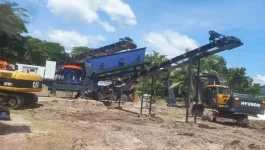
The first step in lifecycle optimization is choosing the right type of granite crusher for your needs. Crushers come in several varieties, including jaw crushers, cone crushers, impact crushers, and mobile crushers. Each type offers different advantages in terms of output capacity, particle size control, energy consumption, and maintenance requirements.
For a stone crusher plant business , selecting a crusher that aligns with production goals is crucial. Oversized equipment may increase initial investment and operating costs, while undersized equipment can create bottlenecks and reduce productivity. Evaluating expected production volume, aggregate specifications, and project requirements ensures that the chosen crusher provides the best balance of cost and long-term performance.
Once a granite crusher is selected, proper installation is critical to achieving optimal performance. A poorly installed crusher can suffer from misalignment, vibration, and uneven wear, all of which shorten the equipment's lifespan.
For a stone crusher plant business, investing in site preparation—including a solid foundation, drainage systems, and appropriate safety measures—pays off in reduced downtime and lower maintenance costs. Additionally, ensuring proper alignment and calibration during installation allows the crusher to operate efficiently, maintaining consistent output quality and reducing energy consumption.
Regular maintenance is essential for extending the lifespan of a granite crusher. Routine tasks include lubrication, checking wear parts, monitoring belts and bearings, and cleaning dust and debris from critical components. Predictive maintenance, such as vibration analysis and temperature monitoring, can also identify potential issues before they cause significant downtime.
For a stone crusher plant business , consistent maintenance schedules are vital. Well-maintained equipment ensures reliability, reduces unexpected repairs, and maintains consistent production levels. Many businesses implement digital monitoring systems to track crusher performance metrics in real-time, enabling proactive decision-making and extending the equipment's service life.
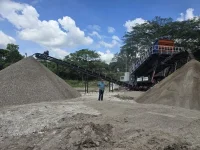
Operational practices significantly influence the lifecycle performance of a granite crusher. Running the crusher at optimal feed rates, avoiding overloading, and maintaining proper aggregate grading are key factors. Operator training plays a crucial role, as skilled operators can identify issues early, adjust operational parameters, and minimize excessive wear on components.
In a stone crusher plant business, optimizing operational practices improves throughput while reducing energy consumption and repair costs. Additionally, integrating process automation can enhance efficiency, maintain consistent product quality, and reduce human error, further protecting the long-term performance of the crusher.
The replacement of wear parts, such as jaw plates, cones, and hammers, is an inevitable aspect of crusher lifecycle management. Using high-quality replacement components and tracking wear patterns helps reduce operational interruptions and ensures uniform crushing performance.
For businesses operating a stone crusher plant, proactive wear part management is critical. Scheduling replacements during planned downtime and keeping an inventory of essential parts can prevent unexpected production halts. Investing in durable, OEM-grade parts often pays off in reduced frequency of replacements and improved equipment reliability.
Energy consumption is a significant operational cost for granite crushers. Over the lifecycle of the equipment, inefficient energy use can substantially impact the profitability of a stone crusher plant business. Optimizing performance involves selecting energy-efficient motors, using variable frequency drives, and monitoring energy consumption in real-time.
Efficient operation not only lowers electricity bills but also reduces mechanical stress on the crusher, extending its lifespan. Energy management systems, combined with proper maintenance and operational practices, help businesses achieve sustainable production while maximizing ROI over the crusher's lifecycle.
Environmental compliance and worker safety are integral to lifecycle optimization. Dust, noise, and vibration can affect both the surrounding environment and the longevity of the crusher itself. Implementing dust suppression systems, soundproof enclosures, and vibration monitoring improves workplace conditions and extends equipment life.
For a stone crusher plant business , prioritizing safety and environmental compliance also protects the company's reputation and ensures long-term operational continuity. Plants that adhere to regulations experience fewer shutdowns and avoid costly penalties, contributing to more stable performance over time.
Finally, considering future expansion and scalability is important. Granite crushers that allow modular upgrades or integration with additional equipment provide flexibility as production demand grows. Planning for scalability ensures that the stone crusher plant business can adapt to larger projects without replacing core equipment prematurely.
Investing in a well-engineered granite crusher with long-term performance in mind enables businesses to maintain competitive advantages, increase production capacity when needed, and secure profitability over time.
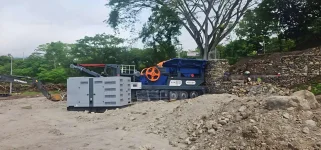
Optimizing the lifecycle performance of a granite crusher is a multifaceted process, involving careful selection, proper installation, consistent maintenance, skilled operation, and strategic planning. Each of these elements contributes to the efficiency, reliability, and longevity of the equipment.
For companies operating a stone crusher plant business , focusing on lifecycle optimization not only protects the initial investment but also enhances production consistency, reduces operating costs, and ensures sustainable growth. By adopting best practices in equipment management, businesses can turn their granite crushers into a long-term asset that supports profitability, safety, and environmental compliance over many years.
This article explores the strategies and considerations for maximizing the lifecycle performance of a granite crusher for sale , while also highlighting how such investments can support a successful stone crusher plant business.
Selecting the Right Granite Crusher
The first step in lifecycle optimization is choosing the right type of granite crusher for your needs. Crushers come in several varieties, including jaw crushers, cone crushers, impact crushers, and mobile crushers. Each type offers different advantages in terms of output capacity, particle size control, energy consumption, and maintenance requirements.
For a stone crusher plant business , selecting a crusher that aligns with production goals is crucial. Oversized equipment may increase initial investment and operating costs, while undersized equipment can create bottlenecks and reduce productivity. Evaluating expected production volume, aggregate specifications, and project requirements ensures that the chosen crusher provides the best balance of cost and long-term performance.
Proper Installation and Site Preparation
Once a granite crusher is selected, proper installation is critical to achieving optimal performance. A poorly installed crusher can suffer from misalignment, vibration, and uneven wear, all of which shorten the equipment's lifespan.
For a stone crusher plant business, investing in site preparation—including a solid foundation, drainage systems, and appropriate safety measures—pays off in reduced downtime and lower maintenance costs. Additionally, ensuring proper alignment and calibration during installation allows the crusher to operate efficiently, maintaining consistent output quality and reducing energy consumption.
Routine Maintenance and Monitoring
Regular maintenance is essential for extending the lifespan of a granite crusher. Routine tasks include lubrication, checking wear parts, monitoring belts and bearings, and cleaning dust and debris from critical components. Predictive maintenance, such as vibration analysis and temperature monitoring, can also identify potential issues before they cause significant downtime.
For a stone crusher plant business , consistent maintenance schedules are vital. Well-maintained equipment ensures reliability, reduces unexpected repairs, and maintains consistent production levels. Many businesses implement digital monitoring systems to track crusher performance metrics in real-time, enabling proactive decision-making and extending the equipment's service life.
Optimizing Operational Practices
Operational practices significantly influence the lifecycle performance of a granite crusher. Running the crusher at optimal feed rates, avoiding overloading, and maintaining proper aggregate grading are key factors. Operator training plays a crucial role, as skilled operators can identify issues early, adjust operational parameters, and minimize excessive wear on components.
In a stone crusher plant business, optimizing operational practices improves throughput while reducing energy consumption and repair costs. Additionally, integrating process automation can enhance efficiency, maintain consistent product quality, and reduce human error, further protecting the long-term performance of the crusher.
Wear Part Management and Replacement
The replacement of wear parts, such as jaw plates, cones, and hammers, is an inevitable aspect of crusher lifecycle management. Using high-quality replacement components and tracking wear patterns helps reduce operational interruptions and ensures uniform crushing performance.
For businesses operating a stone crusher plant, proactive wear part management is critical. Scheduling replacements during planned downtime and keeping an inventory of essential parts can prevent unexpected production halts. Investing in durable, OEM-grade parts often pays off in reduced frequency of replacements and improved equipment reliability.
Energy Efficiency and Cost Management
Energy consumption is a significant operational cost for granite crushers. Over the lifecycle of the equipment, inefficient energy use can substantially impact the profitability of a stone crusher plant business. Optimizing performance involves selecting energy-efficient motors, using variable frequency drives, and monitoring energy consumption in real-time.
Efficient operation not only lowers electricity bills but also reduces mechanical stress on the crusher, extending its lifespan. Energy management systems, combined with proper maintenance and operational practices, help businesses achieve sustainable production while maximizing ROI over the crusher's lifecycle.
Environmental and Safety Considerations
Environmental compliance and worker safety are integral to lifecycle optimization. Dust, noise, and vibration can affect both the surrounding environment and the longevity of the crusher itself. Implementing dust suppression systems, soundproof enclosures, and vibration monitoring improves workplace conditions and extends equipment life.
For a stone crusher plant business , prioritizing safety and environmental compliance also protects the company's reputation and ensures long-term operational continuity. Plants that adhere to regulations experience fewer shutdowns and avoid costly penalties, contributing to more stable performance over time.
Planning for Long-Term Growth
Finally, considering future expansion and scalability is important. Granite crushers that allow modular upgrades or integration with additional equipment provide flexibility as production demand grows. Planning for scalability ensures that the stone crusher plant business can adapt to larger projects without replacing core equipment prematurely.
Investing in a well-engineered granite crusher with long-term performance in mind enables businesses to maintain competitive advantages, increase production capacity when needed, and secure profitability over time.
Conclusion
Optimizing the lifecycle performance of a granite crusher is a multifaceted process, involving careful selection, proper installation, consistent maintenance, skilled operation, and strategic planning. Each of these elements contributes to the efficiency, reliability, and longevity of the equipment.
For companies operating a stone crusher plant business , focusing on lifecycle optimization not only protects the initial investment but also enhances production consistency, reduces operating costs, and ensures sustainable growth. By adopting best practices in equipment management, businesses can turn their granite crushers into a long-term asset that supports profitability, safety, and environmental compliance over many years.