
Andamine Crusher
Becerro
- Desde
- 13 Nov 2025
- Mensajes
- 19
- Tema Autor
- #1
A tracked mobile crusher is often described as a solution for reducing aggregate transportation, but that description is incomplete. Crushing equipment still needs to be transported to the working site, and finished aggregates still need to move to where they are consumed. The real advantage is that crushing can take place much closer to the source material or final project, changing the distance and timing of material movement. For quarries, road construction, demolition recycling, and remote infrastructure projects, this shift can have a greater impact on project economics than mobility alone.
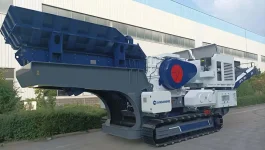
With a traditional fixed crushing plant, raw rock normally travels from the extraction area to a fixed processing location. After crushing and screening, the finished aggregate may then be transported again to a stockpile, concrete plant, asphalt plant, or construction site. Every additional kilometer adds fuel consumption, truck utilization, loading and unloading time, and road congestion.
A tracked mobile crusher changes this sequence by bringing primary crushing closer to where the material is extracted. Instead of moving large quantities of unprocessed rock over long distances, the project can reduce the material size before transportation. This does not make hauling disappear, but it can change what is hauled, how far it travels, and when trucks are required.
The economic difference becomes clearer when considering material volume. A quarry may extract large pieces of rock that need to be reduced before they can become usable aggregate. Moving this oversize material directly to a distant fixed plant requires trucks capable of handling the raw feed continuously.
With mobile crushing, the material can be processed near the quarry face or another suitable working area. The resulting aggregate can then be transported to the next stage or final application. The crusher therefore changes the transportation pattern from “move raw material to the plant” toward “move equipment to the material, then transport processed products.”
This can be particularly useful when the distance between the extraction area and a fixed plant is substantial. The greater the unnecessary haul distance, the more important crusher location becomes in the overall production calculation.
Road construction provides a clear example of this principle. Aggregate may need to be produced at several locations along a long project corridor rather than at one permanent quarry. Transporting all raw material to a centralized crushing plant and then returning finished aggregate to the road project can create inefficient logistics.
A tracked mobile crusher can move progressively with the working area. Material can be crushed closer to where it is extracted, while the finished aggregate can be delivered to nearby sections of the project. This arrangement can reduce the distance between aggregate production and consumption without requiring the construction company to establish a permanent crushing facility at every location.
The benefit becomes more significant when road projects pass through mountainous terrain, undeveloped areas, or regions where existing roads have limited truck capacity. In such conditions, reducing unnecessary material movement can improve both production continuity and logistics planning.
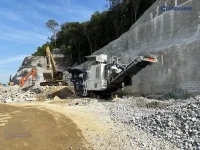
Mobility should not be confused with zero transportation requirements. A tracked mobile crusher is a large piece of heavy equipment, so moving it between project locations requires appropriate transportation planning. Depending on the machine's dimensions and local regulations, specialized trailers and permits may be necessary.
However, this is usually a different transportation problem from repeatedly hauling thousands of tons of raw rock. The project needs to compare the one-time or occasional cost of relocating the crusher with the cumulative cost of transporting material over the project's operating period.
This distinction is important when evaluating whether mobile crushing is economically worthwhile. A project with a short operating period and small material volume may not justify frequent equipment relocation. A large project with multiple working areas and substantial aggregate demand may gain much more from processing material closer to its source.
Once the crusher can move, site layout becomes an operational decision rather than a fixed constraint. The ideal crushing position may change as the quarry face advances, a demolition zone is cleared, or road construction moves into another section.
Operators need to consider several distances simultaneously: the distance from the material source to the crusher, from the crusher to the stockpile, and from the stockpile to the point of use. A tracked mobile crusher does not automatically create the shortest overall route. Its value comes from giving the project more options to optimize these routes.
This is why mobile crushing should be planned together with loading equipment, conveyors, stockpiles, and haul roads rather than treated as an isolated equipment purchase.
The same principle applies when evaluating a mobile crusher Malaysia project. Malaysia's quarrying, infrastructure, and construction activities can involve different site conditions, distances, and material sources. A crusher intended for a compact urban construction site may have very different logistics requirements from one working in a remote quarry or infrastructure project.
For projects with changing working locations, a tracked configuration can provide greater flexibility because the crusher can be repositioned without dismantling the entire processing system. However, buyers still need to evaluate road access, transportation regulations, available working space, feed material, required output, and the distance to the aggregate market.
The key question is therefore not simply whether a tracked mobile crusher can move. It is whether moving the crusher creates a more efficient material-flow arrangement than keeping the crushing operation in one fixed location.
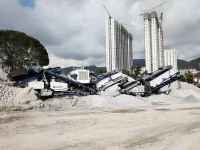
The strongest case for tracked mobile crushing occurs when the material source or point of use changes frequently. In a conventional fixed plant, changing the production location can mean building new access roads, transporting raw material further, or investing in additional infrastructure.
A mobile crusher provides another option: move the processing equipment instead. This can be especially useful for temporary quarries, large infrastructure projects, demolition sites, and remote aggregate production where a permanent plant would have limited long-term value.
Ultimately, the value of a tracked mobile crusher is not that it eliminates hauling. It changes the point at which material is reduced and gives project managers greater control over where crushing takes place. By bringing processing closer to the rock source or construction area, it can reduce unnecessary movement of bulky raw material, improve logistics flexibility, and make aggregate production more adaptable to changing project conditions.
The Main Change Is the Location of Material Processing
With a traditional fixed crushing plant, raw rock normally travels from the extraction area to a fixed processing location. After crushing and screening, the finished aggregate may then be transported again to a stockpile, concrete plant, asphalt plant, or construction site. Every additional kilometer adds fuel consumption, truck utilization, loading and unloading time, and road congestion.
A tracked mobile crusher changes this sequence by bringing primary crushing closer to where the material is extracted. Instead of moving large quantities of unprocessed rock over long distances, the project can reduce the material size before transportation. This does not make hauling disappear, but it can change what is hauled, how far it travels, and when trucks are required.
Hauling Raw Rock and Hauling Crushed Aggregate Are Not the Same
The economic difference becomes clearer when considering material volume. A quarry may extract large pieces of rock that need to be reduced before they can become usable aggregate. Moving this oversize material directly to a distant fixed plant requires trucks capable of handling the raw feed continuously.
With mobile crushing, the material can be processed near the quarry face or another suitable working area. The resulting aggregate can then be transported to the next stage or final application. The crusher therefore changes the transportation pattern from “move raw material to the plant” toward “move equipment to the material, then transport processed products.”
This can be particularly useful when the distance between the extraction area and a fixed plant is substantial. The greater the unnecessary haul distance, the more important crusher location becomes in the overall production calculation.
Why This Matters on Road Construction Projects
Road construction provides a clear example of this principle. Aggregate may need to be produced at several locations along a long project corridor rather than at one permanent quarry. Transporting all raw material to a centralized crushing plant and then returning finished aggregate to the road project can create inefficient logistics.
A tracked mobile crusher can move progressively with the working area. Material can be crushed closer to where it is extracted, while the finished aggregate can be delivered to nearby sections of the project. This arrangement can reduce the distance between aggregate production and consumption without requiring the construction company to establish a permanent crushing facility at every location.
The benefit becomes more significant when road projects pass through mountainous terrain, undeveloped areas, or regions where existing roads have limited truck capacity. In such conditions, reducing unnecessary material movement can improve both production continuity and logistics planning.
The Crusher Itself Still Has a Transportation Cost
Mobility should not be confused with zero transportation requirements. A tracked mobile crusher is a large piece of heavy equipment, so moving it between project locations requires appropriate transportation planning. Depending on the machine's dimensions and local regulations, specialized trailers and permits may be necessary.
However, this is usually a different transportation problem from repeatedly hauling thousands of tons of raw rock. The project needs to compare the one-time or occasional cost of relocating the crusher with the cumulative cost of transporting material over the project's operating period.
This distinction is important when evaluating whether mobile crushing is economically worthwhile. A project with a short operating period and small material volume may not justify frequent equipment relocation. A large project with multiple working areas and substantial aggregate demand may gain much more from processing material closer to its source.
Site Layout Becomes Part of the Crushing Strategy
Once the crusher can move, site layout becomes an operational decision rather than a fixed constraint. The ideal crushing position may change as the quarry face advances, a demolition zone is cleared, or road construction moves into another section.
Operators need to consider several distances simultaneously: the distance from the material source to the crusher, from the crusher to the stockpile, and from the stockpile to the point of use. A tracked mobile crusher does not automatically create the shortest overall route. Its value comes from giving the project more options to optimize these routes.
This is why mobile crushing should be planned together with loading equipment, conveyors, stockpiles, and haul roads rather than treated as an isolated equipment purchase.
What This Means for Mobile Crusher Projects in Malaysia
The same principle applies when evaluating a mobile crusher Malaysia project. Malaysia's quarrying, infrastructure, and construction activities can involve different site conditions, distances, and material sources. A crusher intended for a compact urban construction site may have very different logistics requirements from one working in a remote quarry or infrastructure project.
For projects with changing working locations, a tracked configuration can provide greater flexibility because the crusher can be repositioned without dismantling the entire processing system. However, buyers still need to evaluate road access, transportation regulations, available working space, feed material, required output, and the distance to the aggregate market.
The key question is therefore not simply whether a tracked mobile crusher can move. It is whether moving the crusher creates a more efficient material-flow arrangement than keeping the crushing operation in one fixed location.
Mobility Is Valuable When Material Flow Changes
The strongest case for tracked mobile crushing occurs when the material source or point of use changes frequently. In a conventional fixed plant, changing the production location can mean building new access roads, transporting raw material further, or investing in additional infrastructure.
A mobile crusher provides another option: move the processing equipment instead. This can be especially useful for temporary quarries, large infrastructure projects, demolition sites, and remote aggregate production where a permanent plant would have limited long-term value.
Ultimately, the value of a tracked mobile crusher is not that it eliminates hauling. It changes the point at which material is reduced and gives project managers greater control over where crushing takes place. By bringing processing closer to the rock source or construction area, it can reduce unnecessary movement of bulky raw material, improve logistics flexibility, and make aggregate production more adaptable to changing project conditions.